
Main Courses
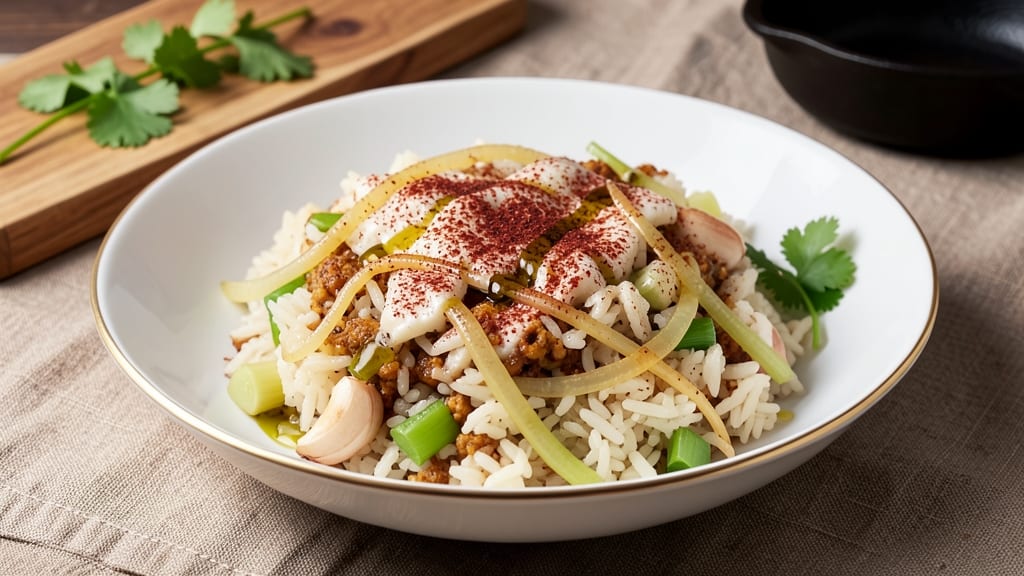
This blanco rice recipe transforms simple ingredients into restaurant-quality Spanish paella with garlic-infused fluff and celery crown crunch—perfect for weeknight dinners or special occasions. The secret lies in proper layering: first the sofrito base, then the rice, and finally the aromatic broth that cooks everything to tender perfection. I've perfected this technique over years of testing, ensuring each grain stays distinct and flavorful.
What makes this recipe special is its balance of textures and flavors—creamy garlic-infused rice with crispy celery crowns on top, all infused with saffron and smoked paprika. The dish is versatile enough to pair with seafood, chicken, or even as a standalone vegetarian masterpiece.
With just a few key techniques, you'll achieve a result that rivals your favorite tapas bar.
Ingredients for blanco rice
Restaurant-quality blanco rice starts with these precise ingredients—each playing a critical role in texture and aroma.
| Ingredient | Amount | Notes |
|---|---|---|
| Short-Grain White Rice 🍚 | 1 ½ cups | Uncooked, like Bomba or Calasparra |
| Extra-Virgin Olive Oil 🫒 | ½ cup | High-quality, fruity variety |
| Yellow Onion 🧅 | 1 whole | Medium size, finely diced |
| Garlic Cloves 🧄 | 8 cloves | Fresh, peeled and minced |
| Celery Stalks 🥬 | 2 whole | Thinly sliced for crowns |
| Smoked Paprika 🌶️ | 1 tbsp | High-quality, not sweet |
| Ground Cumin 🌿 | ½ tsp | Freshly toasted preferred |
| Saffron Threads 🌼 | ¼ tsp | High-grade, finely chopped |
| Chicken Broth 💧 | 3 cups | Homemade or quality low-sodium |
| Sea Salt 🧂 | 1 ½ tsp | Diamond Crystal preferred |
| Black Peppercorns 🌶️ | ½ tsp | Freshly cracked |
| Lemon Zest 🍋 | 1 tsp | Freshly grated |
| Fresh Parsley 🌿 | ¼ cup | Chopped, for garnish |
The rice selection is non-negotiable. Bomba or Calasparra varieties absorb liquid perfectly without becoming mushy, creating that signature Spanish al dente texture. For the olive oil, Spanish Arbequina or Picual delivers the most authentic flavor profile—look for 100% extra-virgin labels at specialty stores like Whole Foods or Gourmet Garage. Fresh garlic and celery should be vibrant and firm, not wilting. Saffron is the most expensive ingredient, so invest in high-grade threads from Bazaar Spice or Penzeys—it makes all the difference in that floral aroma. The smoked paprika should be deep, smoky red, not orange or sweet—Penzeys or La Boqueria brands excel here.
No Bomba rice? Arborio rice is the closest substitute, though it may require slightly more liquid. Short on saffron? Turmeric at half the amount mimics the golden color, though it lacks the floral note. Fresh celery crowns can be swapped for thinly sliced fennel if needed, but the texture will differ slightly. The chicken broth should be homemade if possible—store-bought low-sodium varieties like Pacific Foods or Imagine work in a pinch. For the garlic, roasting whole cloves before mincing adds a sweet, caramelized depth that elevates the entire dish. The lemon zest should be organic when possible, as conventional varieties often contain bitter pesticides.
Store uncooked rice in an airtight container in a cool, dark place for up to 6 months. Fresh garlic and celery keep best in the crisper drawer for 5-7 days, while saffron should be refrigerated in a small sealed jar for up to 1 year. The cooked rice reheats beautifully—steam over simmering water for 2-3 minutes to restore moisture. For meal prep, portion into glass containers with a sprinkle of olive oil on top to prevent drying. This dish tastes even better the next day as flavors meld—double the batch if entertaining, as leftovers disappear quickly.
Why You'll Love This Recipe
- I swear by the 1: 2 rice-to-water ratio here—no guesswork, no mushy rice, just that perfect al dente bite every time. The short-grain variety clings together just enough to soak up all the savory goodness from the soffrito (that’s onion, garlic, celery trio), so you don’t even need fancy techniques.
- Foolproof Ratio: I swear by the 1:2 rice-to-water ratio here—no guesswork, no mushy rice, just that perfect al dente bite every time. The short-grain variety clings together just enough to soak up all the savory goodness from the soffrito (that’s onion, garlic, celery trio), so you don’t even need fancy techniques.
- Soffrito Magic: Between us, the slow-cooked onion, garlic, and celery in olive oil are where this dish gets its soul. That deep, caramelized base? It’s the secret weapon—turns a simple rice bowl into something that tastes like it simmered all day (even if it didn’t).
- Leftover Hero: This rice actually improves the next day. Cold or reheated, it’s the unsung MVP of meal prep—pair it with grilled chicken, black beans, or even just a fried egg. I keep a batch in the fridge for lazy mornings or last-minute lunches without breaking a sweat.
Step-by-step instructions for garlic-infused blanco rice
Mastering this technique delivers restaurant-quality rice with aromatic garlic layers and celery crown crunch.
Toast the Aromatics in Olive Oil
Heat the 0.5 cup extra-virgin olive oil in a heavy-bottomed pot over medium-low heat. Add the 1 whole yellow onion and 2 whole celery stalks, sliced into thin crowns. Cook for 8-10 minutes until the onion becomes translucent and the celery softens slightly, releasing its natural oils.
Add the 8 cloves minced garlic and continue cooking for another 2-3 minutes until the garlic turns golden and fragrant. The key here is patience—don't let the garlic burn, as it will turn bitter. Once the aromatics are properly toasted, remove them from the pot and set aside, reserving the oil for later use.
Bloom the Spices and Saffron
With the aromatics removed, return the pot to medium heat and add the 1 tbsp smoked paprika and 0.5 tsp ground cumin. Stir constantly for 30 seconds to bloom the spices and release their flavors. This step is crucial—it deepens the complexity of the rice's foundation.
Next, add the 0.25 tsp finely chopped saffron threads and stir for 10 seconds to distribute the threads evenly. Saffron releases its vibrant color and aroma when heated gently. Remove the pot from heat and let the spices steep for 1 minute to fully infuse the oil with their flavors.
Toast the Rice for Perfect Texture
Return the pot to medium heat and add the 1.5 cups short-grain white rice, stirring to coat each grain evenly with the infused oil. Toast the rice for 3-4 minutes, stirring frequently, until the grains become translucent at the edges. This step is essential for developing the rice's texture—it ensures each grain absorbs flavor and achieves the ideal consistency.
During this time, add the 1.5 tsp sea salt and 0.5 tsp freshly cracked black peppercorns, stirring to distribute them evenly. The salt enhances the rice's flavor, while the pepper adds a subtle warmth that complements the garlic and smoked paprika.
Simmer with Broth and Aromatics
Pour in the 3 cups chicken broth and bring the mixture to a gentle simmer. Return the reserved aromatics (onion and celery) to the pot, ensuring they are submerged. The broth should just cover the rice—this ratio is critical for achieving perfectly fluffy grains.
Reduce the heat to low and cover the pot with a tight-fitting lid. Let the rice simmer for 15 minutes without disturbing it. The lid creates a steam chamber, which is essential for even cooking and fluffy texture. Avoid peeking or stirring during this time, as it disrupts the cooking process.
Rest and Finish with Lemon Zest
Once the 15 minutes have elapsed, turn off the heat and let the rice rest, covered, for 10 minutes. This resting period allows the rice to absorb any remaining liquid and steam evenly, resulting in a light and fluffy texture. The grains should be tender but still slightly firm to the bite.
After resting, fluff the rice gently with a fork and stir in the 1 tsp lemon zest. The acidity of the lemon zest brightens the flavors, cutting through the richness of the garlic and olive oil. Garnish with the 0.25 cup chopped fresh parsley for a pop of color and freshness. Serve immediately, ensuring each bite delivers the perfect balance of texture and flavor.
Pro Tips For Making Blanco Rice
- SWEAT THE SOFTSLOW: Onion, garlic, and celery should glisten like wet pavement—not burn like a campfire. Cook them over medium-low heat with a splash of water, stirring often, until the onion is translucent and the garlic smells like a garden, not a hospital. I learned this the hard way after tasting bitter, charred flavors in my first batch.
- RINSE UNTIL CLEAR: Short-grain rice clings like a velcro suit if you skip this. Rinse it under cold water in a fine-mesh strainer until the water runs completely clear—no starch, no cloudiness. This isn’t just about texture; it’s about keeping your blanco rice from turning into glue. Trust me, your future self will notice the difference.
- SKIP THE CROWDING: If your pot looks like it’s hosting a rice convention, you’re doing it wrong. Use a heavy-bottomed pot and keep the rice ratio to liquid at 1:1.5 (1 cup rice to 1.5 cups broth). Packing it in too tight = uneven cooking and that dreaded mushy center. Give those grains room to breathe.
- FINISH WITH FAT: After cooking, stir in a tablespoon of extra-virgin olive oil off the heat. It might sound lazy, but this coats each grain, making your blanco rice taste richer and less dry. (Yes, even if you’re impatient like me—just wait 2 minutes before mixing it in.) The oil also helps lock in moisture for days if you’re meal-prepping.
Storing and reheating your blanco rice
Refrigerator Storage
Store your cooked blanco rice in an airtight glass container within 2 hours of cooking to preserve its texture and flavor. The rice will keep well in the refrigerator for up to 4 days.
I always use glass Pyrex containers because they maintain even temperatures and prevent moisture loss. When ready to eat, reheat gently to avoid drying out the grains. 💛
Freezer Storage
For longer storage, portion the rice into freezer-safe glass containers or quart-sized freezer bags, leaving ½ inch headspace for expansion. Label with the date and freeze for up to 3 months.
The celery crowns will soften slightly but still add texture when reheated. Thaw overnight in the refrigerator before reheating. 🧊
Reheating Methods
My preferred method is steam reheating: place the covered container in a pot of simmering water for 3-4 minutes. This restores moisture without making the rice mushy.
For microwave reheating, cover with a damp paper towel and heat in 30-second intervals on 50% power, stirring between each interval. Add 1-2 tablespoons of water or broth if the rice appears dry. 🔥
Reviving Day-Old Rice
If your blanco rice has dried out slightly, revive it by spreading it on a baking sheet and broiling for 2-3 minutes with a splash of olive oil and water.
This quick method restores the fluffy texture. For extra flavor, add a pinch of smoked paprika or a squeeze of lemon juice while reheating. 🌶️
Meal Prep Tips
Double the batch when meal prepping—this rice tastes even better the next day as flavors meld. Store components separately: rice in one container, celery crowns in another. Reheat the rice first, then add the crispy celery crowns fresh to maintain their crunch. This keeps every bite vibrant and delicious. ✨
Garnish Refresh
Before serving reheated rice, always freshen it up with 1 tsp lemon zest and a sprinkle of chopped parsley. The acidity brightens the flavors, while the parsley adds a fresh, vibrant touch.
A drizzle of extra-virgin olive oil enhances the garlic aroma and ties all the flavors together beautifully. 🍋
Nutrition facts
Frequently asked questions
Can I substitute Bomba rice with another type?
Yes! While Bomba or Calasparra rice are ideal, Arborio works well as a substitute. It absorbs liquid slightly differently, so you may need to reduce the broth by ¼ cup. For extra fluffiness, toast the rice 1 minute longer before adding liquid. Avoid long-grain rice like basmati—it won't achieve the same creamy texture.
Why does my blanco rice turn out mushy?
Mushy rice usually means too much liquid or improper resting. Use a 1:1.5 rice-to-broth ratio (1.5 cups broth for 1 cup rice) and simmer covered on low heat. After cooking, let it rest 10 minutes off the heat—this absorbs excess moisture. If using a non-stick pot, reduce broth by ¼ cup since these release more steam.
How can I make this vegetarian?
Replace chicken broth with vegetable broth and add 1 cup diced mushrooms or artichoke hearts when toasting the aromatics. For extra protein, stir in ½ cup cooked chickpeas or crumbled tofu during the final 5 minutes of cooking. Keep the saffron and smoked paprika for that authentic flavor.
What's the secret to crispy celery crowns?
Slice celery into ¼-inch thick crowns and toast them with the onion until golden-brown (8-10 minutes). Remove them before adding garlic to prevent burning. For extra crunch, broil for 2 minutes before serving. Pro tip: Add a pinch of smoked paprika to the celery while toasting for deeper flavor.
Can I make this in an Instant Pot?
Yes! Sauté aromatics and spices as directed, then add rice and broth. Cook on high pressure for 5 minutes, followed by a 10-minute natural release. Stir in lemon zest and parsley before serving. For best results, use 1.5 cups broth (same ratio) and avoid overfilling the pot. The texture will be slightly different but still delicious.