
Main Courses
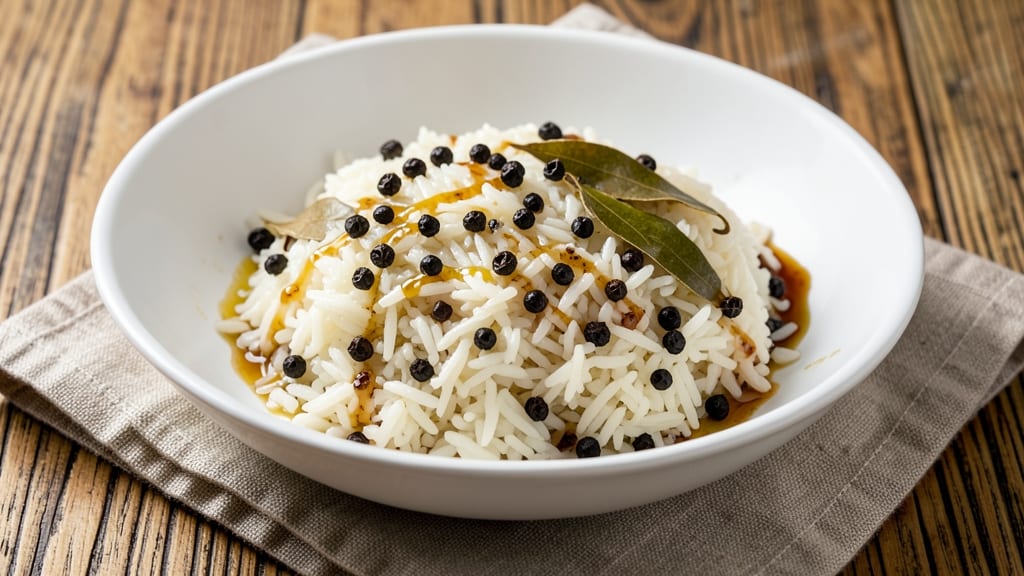
This black pepper rice recipe transforms simple grains into a fragrant, toasty dish with deep umami and a satisfying crunch. The secret lies in blooming whole black peppercorns before cooking, releasing their aromatic oils into the rice.
This method elevates basic white rice into a bold, restaurant-worthy side that pairs perfectly with proteins or stands alone as a main.
Start with long-grain rice toasted in oil until fragrant, then simmer in broth with cracked peppercorns and bay leaves for 15 minutes. The result is perfectly cooked grains with a subtle peppery warmth and toasted edges.
For extra depth, finish with a splash of soy sauce and sesame oil. This recipe delivers restaurant-quality flavor with minimal effort—ideal for weeknight meals or special occasions.
Ingredients for black pepper rice
These 12 ingredients deliver restaurant-worthy black pepper rice with toasted crunch and deep umami.
| Ingredient | Amount | Notes |
|---|---|---|
| Long-Grain White Rice 🍚 | 1 ½ cups | Uncooked, rinsed thoroughly |
| Whole Black Peppercorns 🌶️ | 2 tbsp | Freshly cracked, not ground |
| Dried Bay Leaves 🌿 | 2 whole | Fresh or dried, removed before serving |
| Vegetable Broth 🍲 | 2 cups | Low-sodium preferred, homemade or quality store-bought |
| Extra-Virgin Olive Oil 🫒 | 2 tbsp | For toasting rice and blooming spices |
| Light Soy Sauce 🥢 | 1 ½ tbsp | For finishing, not cooking |
| Toasted Sesame Oil 🫒 | 1 tbsp | For aroma, added at the end |
| Garlic Cloves 🧄 | 2 cloves | Minced, optional for extra depth |
| Salt 🧂 | ½ tsp | Adjust to taste, kosher preferred |
| Ground White Pepper 🌶️ | ½ tsp | For subtle finish, optional |
| Fresh Ginger 🌿 | 1 tsp | Grated, optional for brightness |
| Green Onion 🧅 | 2 whole | Sliced, for garnish |
The peppercorns are the star—freshly cracked releases their aromatic oils for maximum flavor. Whole Foods or specialty spice shops carry high-quality peppercorns, but any gourmet grocery store will have them. For the rice, jasmine or basmati adds extra fragrance, though long-grain white works perfectly. The broth is where the umami builds—homemade vegetable broth elevates this dish, but even store-bought low-sodium works in a pinch. Toast your spices in olive oil for 30 seconds before adding rice; this blooming step unlocks their full potential.
No black peppercorns? Substitute with 1 tsp freshly ground black pepper plus 1/2 tsp white pepper, but you'll lose that toasted crunch. Fresh bay leaves add depth, but dried work at half the amount. For the soy sauce, tamari works for gluten-free. The sesame oil is non-negotiable for aroma—Kikkoman or La Choy are reliable brands. Short on garlic? Asafoetida powder at 1/4 tsp mimics the savory note. The ginger is optional but brightens the dish beautifully; frozen works fine if fresh isn't available.
Rice keeps best in an airtight container in the fridge for 4-5 days, though flavor peaks within 24 hours. For longer storage, freeze portions for up to 3 months. Reheat gently with a splash of water or broth to restore moisture. The sesame oil and soy sauce should be added fresh before serving—never pre-mixed. Garnish with green onions right before eating to keep them crisp. This rice reheats beautifully, making it perfect for meal prep.
Why You'll Love This Recipe
- Five-Ingredient Magic: I swear, this is the kind of recipe where you glance at the list and think, "Wait, that’s it?" The peppercorns toast in the oil until they pop—like nature’s fireworks—and then infuse the rice with this deep, aromatic warmth. No chopping, no fuss, just pure flavor from whole spices.
- Earthy Umami Bomb: Between us, the bay leaves and cracked peppercorns turn plain rice into something ridiculously good. The broth simmers down to a rich, savory base, and that olive oil finish? It’s like a little hug for your taste buds—simple, but impossible to resist.
- Lunchbox Hero: I pack this cold or at room temp, and it’s still a hit. The grains stay separate, the peppery aroma lingers, and it pairs with everything—grilled chicken, roasted veggies, or even just a sprinkle of feta. Honestly, it’s my go-to for work lunches or school lunches (yes, even the picky eaters ask for seconds).
- Budget Leftovers Win: A single batch feeds four, and the next day? Just reheat with a splash of water—it’s that forgiving. The peppercorns keep their punch, the rice doesn’t turn mushy, and you’ve got a freezer-friendly side that costs pennies per serving. My wallet thanks me every time.
Step-by-step instructions for black pepper rice
This aromatic rice delivers deep, toasted notes and a subtle peppery kick—perfect for pairing with proteins or enjoying as a standalone dish.
Toast the Rice and Spices
Heat the 2 tablespoons extra-virgin olive oil in a heavy-bottomed pot over medium-high heat. Add the 1.5 cups long-grain white rice and stir to coat evenly. Cook for 3-4 minutes, stirring frequently, until the rice turns a pale golden color and becomes fragrant.
Next, add the 2 tablespoons whole black peppercorns and 2 whole dried bay leaves to the pot. Stir for another 1-2 minutes until the peppercorns begin to sizzle and release their aroma. The rice should look dry and slightly glossy from the oil—this ensures a nutty, toasted flavor. If the rice starts to brown too quickly, reduce the heat slightly to medium to prevent burning.
Bloom the Aromatics
Add the 2 cloves minced garlic cloves and 1 teaspoon grated fresh ginger to the pot. Stir for 30 seconds until the garlic becomes fragrant and lightly golden. Be careful not to let it burn—garlic can go from aromatic to bitter in seconds.
Pour in the 2 cups vegetable broth and bring to a gentle boil. Once boiling, reduce the heat to low, cover the pot with a tight-fitting lid, and let it simmer. The broth should just come to a rolling boil before reducing—this ensures the rice absorbs the liquid evenly without becoming mushy.
Cook the Rice Low and Slow
Simmer the rice uncovered for 5 minutes to allow excess steam to escape. This step prevents the rice from becoming soggy. After 5 minutes, cover the pot again and continue cooking for 15-18 minutes over low heat. The rice is done when the liquid is fully absorbed and the grains are tender but still slightly firm to the bite.
During this time, resist the urge to peek or stir—the rice needs undisturbed cooking to develop its texture. If you notice steam escaping around the edges of the lid, reduce the heat slightly to maintain a gentle simmer.
Finish with Flavor and Texture
Once the rice is cooked, remove the pot from the heat and let it sit covered for 5 minutes. This resting period allows the grains to fully absorb any remaining liquid and develop a fluffier texture.
Discard the 2 whole dried bay leaves and gently fluff the rice with a fork. Drizzle in the 1 tablespoon toasted sesame oil and 1.5 tablespoons light soy sauce, tossing lightly to distribute evenly. Sprinkle with 0.5 teaspoon ground white pepper and 0.5 teaspoon salt, adjusting to taste. Garnish with 2 whole sliced green onion for freshness and color.
Serve Immediately
Transfer the rice to a serving dish and serve warm. The finished rice should have a deep, toasted aroma with a subtle peppery warmth and a slight crunch from the toasted grains. Pair it with grilled meats, roasted vegetables, or enjoy it as a standalone dish with a drizzle of extra sesame oil for added richness.
Pro Tips For Making Black Pepper Rice
- CRUSH THE PEPPERCORNS: Whole peppercorns won’t infuse—crack them with the flat side of a knife or roll them under a heavy pan. I used to skip this and just toss them in, but the rice tastes flat without that deep, cracked-peppercorn bite. Aim for 12-15 cracks per tablespoon of peppercorns.
- TOAST THE BAY LEAVES: Bloom the bay leaves in olive oil for 30 seconds before adding broth—just until fragrant. I learned this the hard way when I added them dry and they stayed bitter. A quick toast brings out their aroma without burning.
- USE LOW-AND-SLOW HEAT: Once the broth comes to a boil, drop the heat to the lowest simmer you can tolerate. I used to rush it, and the rice turned mushy or dried out. Low heat lets the pepper and bay flavors meld without scorching.
- SKIP THE STIRRING: After adding rice, stir once to distribute, then leave it alone. Stirring releases starch and makes the rice gluey. I was skeptical until I tried it—now my rice stays separate and fluffy, with those peppercorns popping in every bite.
Wine and beer pairings for this black pepper rice
White Wine Pairings
A crisp, dry Sauvignon Blanc from New Zealand or California is my go-to choice—its bright acidity and citrus notes cut through the rice's rich, toasted flavors beautifully. Look for a bottle with 12-13% ABV and seek out labels like Kim Crawford or Oyster Bay for that perfect balance.
Serve slightly chilled (45-50°F) to enhance the peppery aroma without overwhelming it. 🍷
Light Red Options
For those who prefer red, a Pinot Noir from Oregon or Burgundy offers an elegant match. The wine's delicate cherry and earthy undertones complement the black pepper's warmth while keeping the dish's boldness in check.
Opt for a light-bodied bottle with 12-14% ABV, like La Crema or Meiomi. Serve at 55-60°F to preserve its subtle complexity.
Rosé for Balance
A dry Provence rosé with its crisp, floral notes and strawberry undertones provides a refreshing contrast to the peppery rice. Brands like Whispering Angel or Château d'Esclans work wonderfully.
The wine's 12-13% ABV and light body ensure it doesn't overpower the dish's toasted aroma. Chill thoroughly (40-45°F) to highlight its refreshing qualities.
Beer Pairings
A light lager like Peroni or Heineken is my top beer recommendation—its clean, crisp profile and hint of malt enhance the rice's toasted notes without competing. For craft beer lovers, a Belgian witbier (such as Hoegaarden) with its citrus and coriander notes adds a fun, effervescent twist.
Serve both at 40-45°F for the best experience. 🍺
Sparkling Wine
If you're celebrating, a dry sparkling wine like La Crema Brut or Freixenet Cordon Negro brings a festive touch. The bubbles and acidity cleanse your palate between bites, making the peppery rice taste even more vibrant.
Opt for a 11-12% ABV bottle and serve well-chilled (40-45°F) to maintain its crispness.
Avoid These
Skip heavy, oaky whites like Chardonnay or bold reds like Cabernet Sauvignon—they'll overpower the dish's delicate toasted flavors. Also, avoid sweet wines or beers with strong hop bitterness, as they clash with the rice's nuanced profile.
The key is balance: let the wine complement, not dominate, the dish's aromatic complexity. ✨
Nutrition facts
Frequently asked questions
Why toast the rice before cooking?
Toasting the rice in oil first develops its natural nutty flavors and creates that satisfying crunch. The 3-4 minutes of toasting also helps prevent the rice from becoming mushy by creating a slight barrier around each grain. This step is key to achieving the restaurant-style texture in your black pepper rice.
Can I use ground black pepper instead of whole peppercorns?
You can substitute, but you'll lose the toasted crunch and aromatic depth. For 1.5 cups rice, use 1 teaspoon freshly ground black pepper plus ½ teaspoon white pepper after cooking. The whole peppercorns release their oils more gradually during cooking, creating a more complex flavor profile.
How do I prevent the rice from burning while toasting?
Watch the rice closely and reduce heat to medium if it starts browning too quickly. Stir frequently to ensure even toasting. A heavy-bottomed pot helps distribute heat more evenly. If you see dark spots forming, remove from heat immediately and continue stirring until the rice is uniformly toasted.
What's the best way to reheat leftover black pepper rice?
Add 1-2 tablespoons water or broth per cup of rice to a skillet over low heat. Cover and heat for 3-5 minutes, stirring occasionally. Avoid microwaving as it can make the rice gummy. For extra flavor, add a splash of sesame oil when reheating.
Can I make this rice in a rice cooker?
Yes! Toast the rice and spices in a separate pan first, then transfer to your rice cooker with the broth. Follow the manufacturer's settings for white rice. The key is toasting the spices and rice together before cooking to develop that essential toasted aroma. Most rice cookers will handle the 15-18 minute cooking time perfectly.